تولید کنندگان زباله سوز در ایران (incinerator manufacturers iran)
Medical waste treatment systems should comply with international healthcare facility standards such as FGI, WHO and environmental regulations to ensure safe disposal of infectious waste.
Iran has seen increasing demand for advanced waste treatment technologies due to rapid urbanization, expansion of healthcare facilities, and growth in the oil, gas, and petrochemical sectors. Incineration technology plays an important role in the safe destruction of hazardous waste, medical waste, industrial residues, and contaminated materials while significantly reducing waste volume.
Several engineering companies and technology providers are active in the design and construction of waste incineration systems in Iran. These organizations typically provide engineering design, manufacturing, installation, and environmental compliance solutions for different industries.
Falatec Energy
Falatec Energy is an Iranian engineering company specializing in the design and manufacturing of waste incineration systems for medical, industrial, and municipal applications. The company develops customized thermal treatment systems including medical waste incinerators, industrial hazardous waste incinerators, liquid waste incinerators, and multi‑function thermal treatment units.
Falatec systems are designed using advanced combustion modeling and engineering analysis to ensure efficient destruction of hazardous waste and compliance with environmental standards. The company also provides installation, commissioning, operator training, and long‑term technical support.
Key areas of application include hospitals and healthcare facilities, oil and gas operations, petrochemical complexes, offshore platforms, industrial plants, and environmental remediation projects.
MAPNA Group
MAPNA Group is one of the largest engineering and energy companies in Iran. In addition to its activities in power plants and industrial engineering, the group has participated in waste‑to‑energy and environmental infrastructure projects through EPC contracts.
Industrial Furnace and Environmental Engineering Firms
Several Iranian industrial furnace manufacturers and environmental engineering contractors also design specialized thermal treatment systems for hazardous waste streams in petrochemical, refinery, and manufacturing sectors. These systems are typically custom‑engineered depending on waste composition, required capacity, and environmental regulations.
Incinerator Technology in Iran
Most waste incineration systems in Iran use multi‑chamber combustion technology with secondary oxidation chambers designed to ensure complete destruction of organic compounds. Advanced systems may also incorporate thermal oxidation, flue gas treatment, and heat recovery technologies to improve environmental performance and energy efficiency.
With growing environmental regulations and increased focus on sustainable waste management, demand for reliable and environmentally compliant incineration technologies is expected to continue increasing in Iran and the wider Middle East region.
تولید کنندگان زباله سوز در ایران (incinerator manufacturers iran)
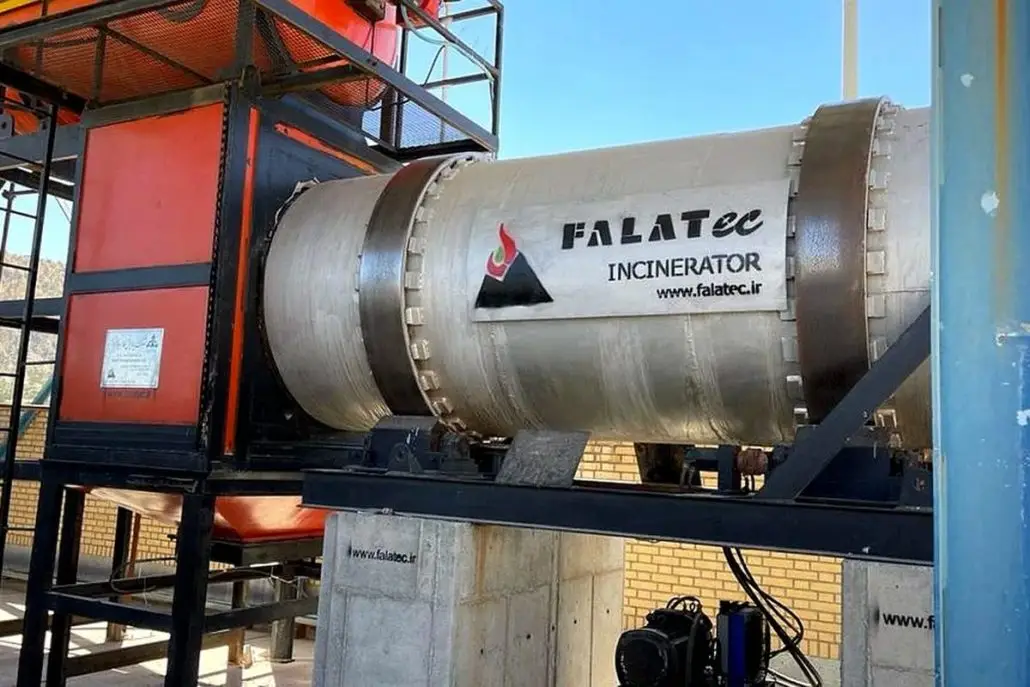
زباله سوزهای فلاتِک در انواع ذیل و در ظرفیت های مختلف قابل سفارش می باشد.
از مشاوره رایگان کارشناسان رسمی محیط زیست استفاده کنید.
World Health Organization – Healthcare Waste
https://www.who.int/news-room/fact-sheets/detail/health-care-waste
United Nations Environment Programme – Waste Management
https://www.unep.org/explore-topics/resource-efficiency/what-we-do/waste-management
U.S. Environmental Protection Agency – Waste Incineration
European Commission – Waste to Energy
https://environment.ec.europa.eu
International Solid Waste Association
Medical waste treatment systems should comply with international healthcare facility standards such as FGI, WHO and environmental regulations to ensure safe disposal of infectious waste.
۱۰ استاندارد جهانی زبالهسوز پزشکی
1. WHO – Safe Management of Healthcare Waste
سازمان: World Health Organization
این مهمترین مرجع جهانی برای مدیریت پسماند پزشکی است.
موضوعات اصلی:
- دستهبندی پسماند پزشکی
- روشهای بیخطرسازی
- سوزاندن پسماند عفونی
- کنترل انتشار آلایندهها
کلمه کلیدی عالی برای سئو:
WHO healthcare waste management
2. Stockholm Convention (POPs)
موضوع: کنترل Persistent Organic Pollutants
این کنوانسیون جهانی انتشار مواد خطرناک مثل:
- Dioxins
- Furans
را در فرآیندهایی مثل زبالهسوزی کنترل میکند.
در طراحی زبالهسوز پزشکی باید:
- دمای مناسب
- زمان ماند گاز
- کنترل احتراق
رعایت شود.
3. EU Waste Incineration Directive (WID)
استاندارد اتحادیه اروپا برای زبالهسوزها.
الزامات:
- دمای احتراق 850°C
- زمان ماند گاز 2 seconds
- کنترل آلایندهها
مثل:
- NOx
- SO2
- HCl
- Dioxins
4. EU Industrial Emissions Directive (IED)
نسخه جدیدتر استاندارد اروپایی.
تمرکز بر:
- Best Available Techniques (BAT)
- کاهش انتشار گازهای سمی
- مانیتورینگ مداوم آلایندهها
5. US EPA – Medical Waste Incineration Standards
سازمان: United States Environmental Protection Agency
EPA استانداردهای بسیار دقیق برای:
- طراحی
- بهرهبرداری
- کنترل آلایندهها
در زبالهسوزهای پزشکی دارد.
6. US Clean Air Act Regulations
این قانون محدودیت انتشار برای:
- Particulate Matter
- Mercury
- Dioxins
- Acid gases
را تعیین میکند.
برای صادرات تجهیزات به بسیاری از کشورها این استاندارد مرجع است.
7. Basel Convention
کنوانسیون جهانی درباره:
Hazardous Waste Management
تمرکز:
- انتقال پسماند خطرناک
- دفع ایمن
- مسئولیت محیطزیستی
8. ISO 14001 Environmental Management
استاندارد سیستم مدیریت محیط زیست.
برای شرکتهایی که تجهیزات زبالهسوز تولید میکنند مهم است چون نشان میدهد:
- سیستم مدیریت محیط زیست دارند
- اثرات زیستمحیطی را کنترل میکنند
9. ISO 45001 Occupational Safety
ایمنی کارکنان در تأسیسات صنعتی.
در زبالهسوزها شامل:
- ایمنی اپراتورها
- کنترل مواد خطرناک
- مدیریت ریسک
10. UNEP Guidelines for Waste Incineration
سازمان: United Nations Environment Programme
راهنمای طراحی و مدیریت زبالهسوزها برای کشورهای در حال توسعه.
تمرکز بر:
- کاهش آلایندهها
- مدیریت خاکستر
- حفاظت محیط زیست